
Building your own home is one of the most exciting ways to step into the property market, whether you’re a first-home buyer, a growing family, or an investor looking for something new. Unlike purchasing an existing property, building gives you the freedom to shape your home to suit your lifestyle, location, and long-term goals.
It can seem like a big task, but understanding the steps involved, and working with the right professionals, can make the process smooth, rewarding, and financially sound.

Building a new home is an exciting journey, but it’s also a big commitment. Before you dive in, it’s important to understand the steps involved, what you need to prepare, and the pros and cons of choosing to build rather than buying an established property.

Home building is a major undertaking, so the first step is confirming that it’s the right choice for you and your family. The process can take months, sometimes years, and you’ll need to plan your living arrangements for the interim.
Before choosing a design or a builder, consider a few important questions:
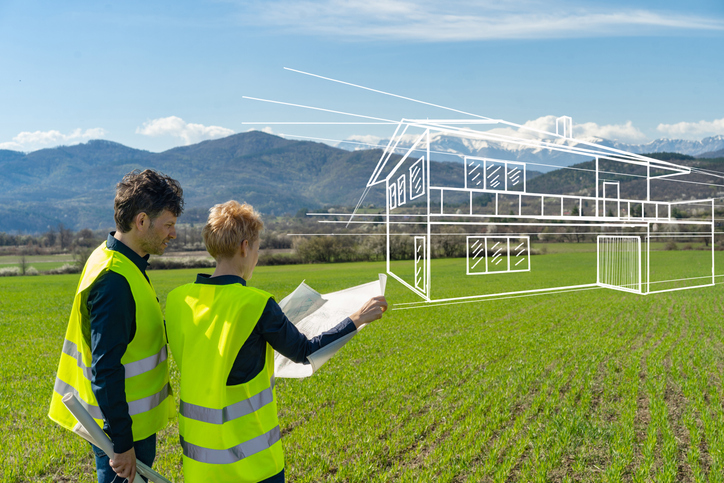
Your journey begins with finding the right block. Consider size, location, and proximity to schools, transport, and amenities. The orientation, slope, and soil quality of the block can influence both your design options and your build costs, so doing your research early can save you surprises later.
Choose a builder whose quality, timelines, and communication suit your needs. Visit display homes, review past work, and confirm what’s included to avoid unexpected costs. It also helps to ask for word-of-mouth recommendations from people you trust and check Google reviews to get a clearer picture of other clients’ experiences.


Financing a new build works differently from purchasing an established home. Most people use a construction loan, which releases funds in stages (known as progress payments) as the build moves from slab to frame, lock-up, fit-out, and finally to completion.
A mortgage broker can help structure your loan to suit your build timeline, manage cash flow, and avoid unnecessary delays.
Once finance is finalised, your builder will commence works. Staying in touch with your builder throughout the process helps you monitor progress and manage any changes.
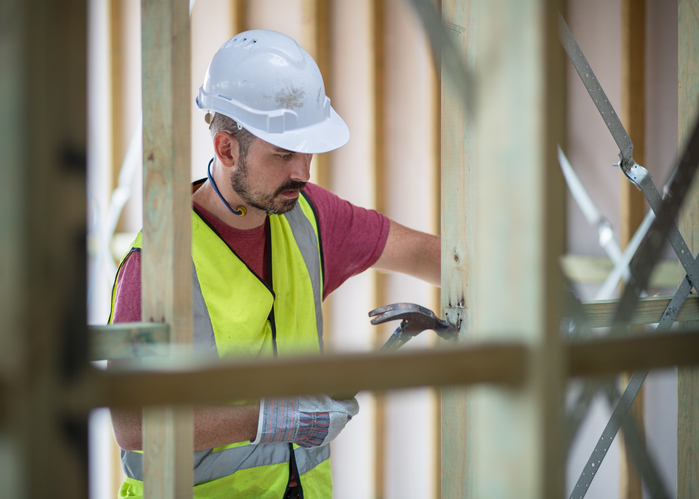

When the build is complete, you’ll do a final inspection before receiving the keys. Once everything meets your expectations, settlement occurs and your new home is officially yours.
From the floor plan to the finishes, you get to create a space that reflects your style and meets your needs, something that’s often hard to find in the existing property market.
New homes are built to current building codes, often featuring better insulation, efficient heating and cooling, and sustainable materials that can help lower energy bills.
Everything is brand new, from the roof to the appliances, and covered by builder warranties, giving you confidence that unexpected repairs won’t appear any time soon.
Many state and territory governments offer grants and stamp duty concessions for building new homes. A mortgage broker can help you understand what’s available and how it might reduce your upfront costs.
Site costs, landscaping, driveways, and variations can add up. Build in a buffer for the unexpected.
Make sure your building contract clearly outlines inclusions, timelines, and costs.
Construction timelines can change due to weather or supply issues. Regular updates from your builder and broker help you stay in control.
Talk to your mortgage broker, builder, and solicitor before you sign anything, so you know exactly what’s involved.
Building a home gives you the chance to create something completely new, designed for the way you want to live. With the right team and financial guidance, it can be one of the most rewarding property experiences you’ll ever have.
Your mortgage broker can help you understand construction finance, plan your budget, and get your new home journey underway with confidence.
Whatever your circumstances, we will find the deal that’s right for you.
Send through a quick enquiry and we will be in touch.
Please note we do not provide tax, legal or accounting advice. Any information contained in this article is of a general nature only and does not take into account the objectives, financial situation or need of any particular person and is not intended to provide, and should not be relied on for, tax, legal or accounting advice. We suggest you consult your own tax, legal and accounting advisers before engaging in or considering the appropriateness of any transaction.